
Key Takeaways
- Gross pay is the total amount an employee earns before taxes and deductions, while net pay is the take-home amount after deductions.
- Most employees receive only 70–80% of their gross pay as net pay due to taxes and benefit withholdings.
- Compensation teams plan and benchmark pay using gross pay, not net pay.
- Understanding gross vs net pay helps organizations communicate compensation clearly and reduce employee confusion.
Understanding the difference between gross pay and net pay is essential for anyone involved in compensation, payroll, or employee communication. While employees experience pay through their paycheck, compensation teams design pay using gross income, benchmarks, and market data.
Knowing the difference between gross and net pay helps organizations price roles accurately, manage payroll correctly, and explain compensation decisions with confidence.
Gross Pay vs Net Pay: Understanding the Basics
The difference between gross and net pay starts with how earnings are calculated during a given pay period.
- Gross pay represents the full earnings an employee receives before anything is deducted.
- Net pay is the amount deposited after all required and voluntary deductions are applied.
While net pay determines the actual spending power for employees, gross pay is what employers use to benchmark roles, evaluate equity, and afford to pay competitively.
What Is Gross Pay?
Gross pay is the total amount of money an employee earns before payroll deductions. It is also known as gross income or gross wage, and it serves as the foundation for payroll taxes and compensation planning.
How to Calculate Gross Pay
When calculating gross, the method depends on how employees are paid.
Salaried Employees
To calculate gross pay, divide the annual salary by the number of pay periods in the year.
Example:
$90,000 annual salary ÷ 26 pay periods = $3,461.54 gross pay per paycheck
This method is often described as salary divided by the number of pay periods.
Hourly Employees
To figure out the gross pay for hourly workers:
- Multiply the hourly rate by hours worked
- Add overtime pay if the employee worked more than 40 hours in a week
This ensures the employee’s gross pay reflects all earnings worked during a pay period.
What’s Included in Gross Pay?
Gross pay includes multiple types of income, such as:
- Base salary or hourly wages
- Overtime
- Bonuses and commissions
- Shift differentials
- Certain taxable benefits
Compensation teams use gross income to determine market positioning and pay range alignment.
What Is Net Pay?
Net pay, sometimes called take-home pay, is the net amount an employee receives after all deductions are taken from their gross pay. The average employee only takes home about 70-80% of their stated salary.
These deductions typically include:
- Federal income tax withholding
- State income tax and local income tax, where applicable
- Social Security and Medicare
- Payroll taxes
- Health insurance premiums
- Retirement plan contributions
- Other voluntary deductions
Once deductions are taken, the remaining amount is the net pay amount shown on the employee’s pay stub.
How to Calculate Net Pay
To calculate net pay, start with the gross pay amount, then subtract deductions.
A typical net pay calculation follows this order:
- Start with gross pay
- Deduct pre-tax benefits such as health insurance or a retirement plan
- Withhold federal and state income tax
- Deduct Social Security and Medicare taxes
- Apply any post-tax deductions
The formula is simple:
Gross pay - deductions = net pay
This is the number of employees who see deposited in their bank accounts.
Key Differences Between Gross Pay and Net Pay
The key differences between gross and net pay go beyond math. Each figure serves a different purpose.
- Gross pay is the total figure used to price roles, benchmark compensation, and communicate offers.
- Net pay determines the actual amount employees can use for living expenses.
The differences between gross pay vs net pay vary by employee based on tax bracket, benefits, and withholding elections. Two employees with the same gross salary may have very different net pay calculations.
Knowing the difference between gross and net pay helps compensation teams explain why this happens and avoid confusion during offer discussions and merit cycles.
Why Gross and Net Pay Matter for Compensation Teams
Employees often focus on net pay, while organizations must use gross pay to design competitive compensation programs. This difference is where confusion often arises.
Compensation teams need to:
- Explain how gross pay is determined
- Show how deductions affect net pay
- Communicate total rewards clearly on the pay stub and offer materials
- Use compensation planning software to automate calculations and improve accuracy
Turning Pay Transparency Into Confidence
Understanding the difference between gross and net pay is foundational to effective compensation planning. Gross pay is the total amount earned, while net pay reflects what employees actually receive after deductions have been taken.
Knowing the difference between gross pay and net pay helps organizations communicate clearly and build trust with employees.
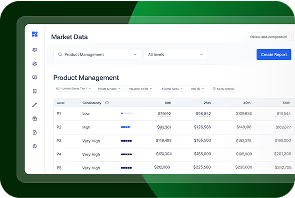
Companies using platforms like Pave can build competitive gross pay ranges through real-time benchmarks.

Pave is a world-class team committed to unlocking a labor market built on trust. Our mission is to build confidence in every compensation decision.
What’s the difference between gross pay and net pay?
Gross pay is the total earnings before taxes and deductions. Net pay is the amount received after payroll deductions are taken. Knowing the difference helps both employers and employees understand compensation accurately.
Why is net pay lower than gross pay?
Net pay is lower because deductions such as income tax, Social Security, Medicare, and benefits are withheld from gross pay during payroll processing.
How can employees see the difference on a pay stub?
A pay stub shows gross pay at the top, followed by itemized deductions, and ends with the net pay amount. This layout helps employees understand how their paycheck is calculated.
Why do compensation teams focus on gross pay vs net pay?
Compensation teams rely on gross pay for benchmarking, pricing roles, and planning pay cycles, while net pay reflects individual tax and benefit choices.