Every compensation team manages a queue of requests. When a recruiter asks if they can offer a $20,000 sign-on bonus, you have likely answered this before and will again. We have addressed what helps clear these queues.
Traditional solutions rely on policy documents that are rarely referenced. Pave Agent offers a better approach: document your policy once as a skill, and the Agent applies it automatically whenever the question arises, whether in Pave or Slack. At Total Rewards Live, Matt demonstrated this process for sign-on bonuses.
A policy written once, informed by peer practices
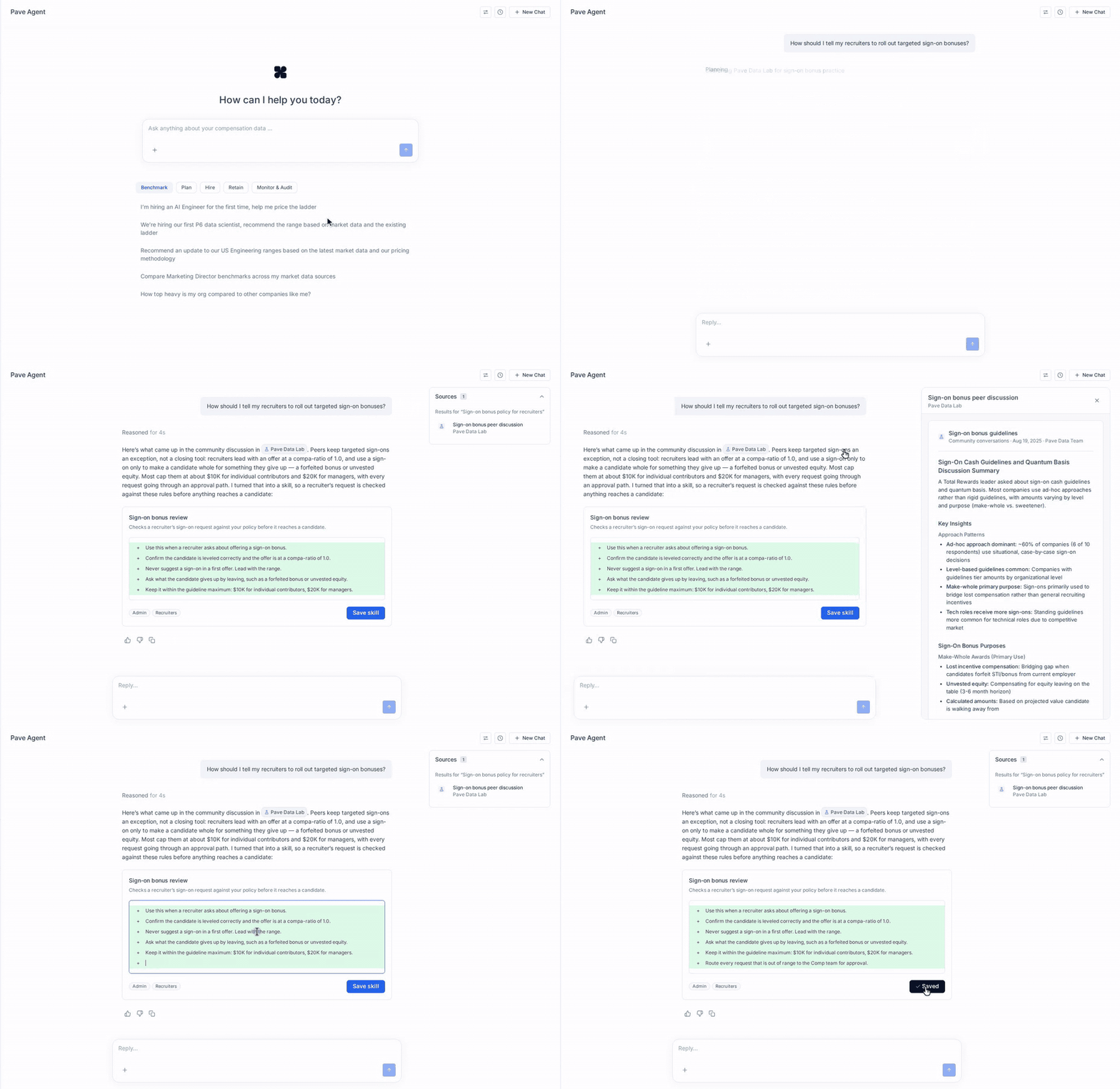
A skill is a concise set of instructions that guides Pave Agent on your company’s processes. Pave provides built-in skills for common workflows, and you can create custom ones. In the demo, an admin asked how recruiters should offer targeted sign-on bonuses. The Agent referenced peer practices from Pave Data Lab, noting that most companies decide case by case and use sign-ons to offset what a candidate forfeits, such as a bonus or unvested equity.
The Agent then drafted the policy as a skill with clear rules: verify leveling and a compa-ratio of 1.0; don't lead with a sign-on; ask what the candidate is forfeiting; stay within the guideline maximum; and refer exceptions to the Comp team. The admin added an additional rule, limited the skill to admins and recruiters, and saved it.
Applied wherever the question arises
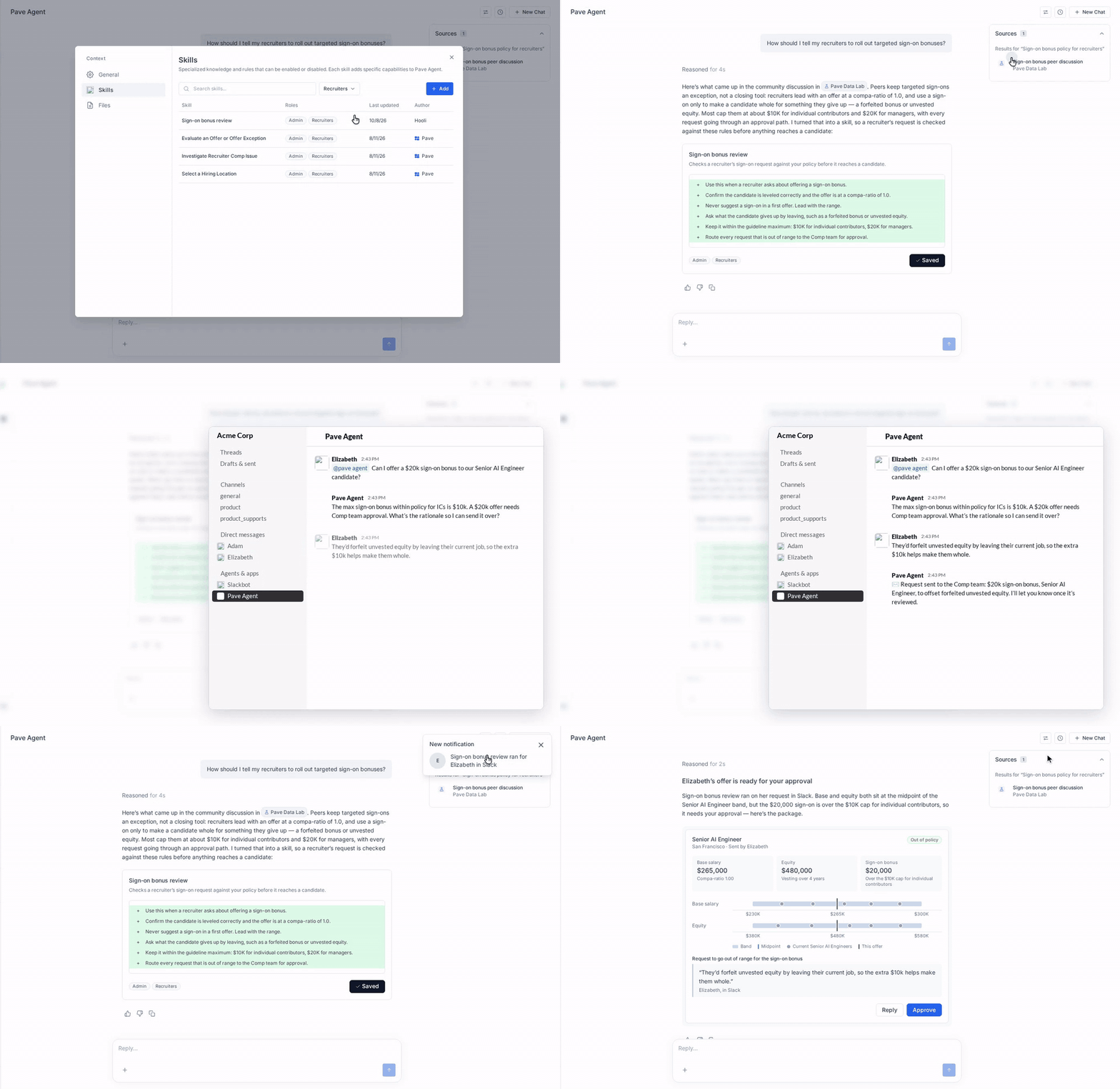
The benefit became clear in Slack. A recruiter asked Pave Agent if they could offer $20,000 to a senior AI engineer candidate. The Agent referenced the policy: the maximum for individual contributors is $10,000, so $20,000 requires Comp team approval. It requested the reason, and when the recruiter explained the candidate would forfeit unvested equity, the Agent forwarded the request to the Comp team.
The admin received a notification detailing the package against the band, the recruiter’s explanation, and two options: reply or approve.
This handoff is essential. Pave Agent doesn't approve out-of-policy requests; it applies your rules, gathers the necessary context, and presents the decision to the right person. Recruiters get prompt, consistent answers, while the comp team reviews only exceptions. This is how Pave Agent operates: it recommends, and your team decides.
The same approach applies to bands and board decks
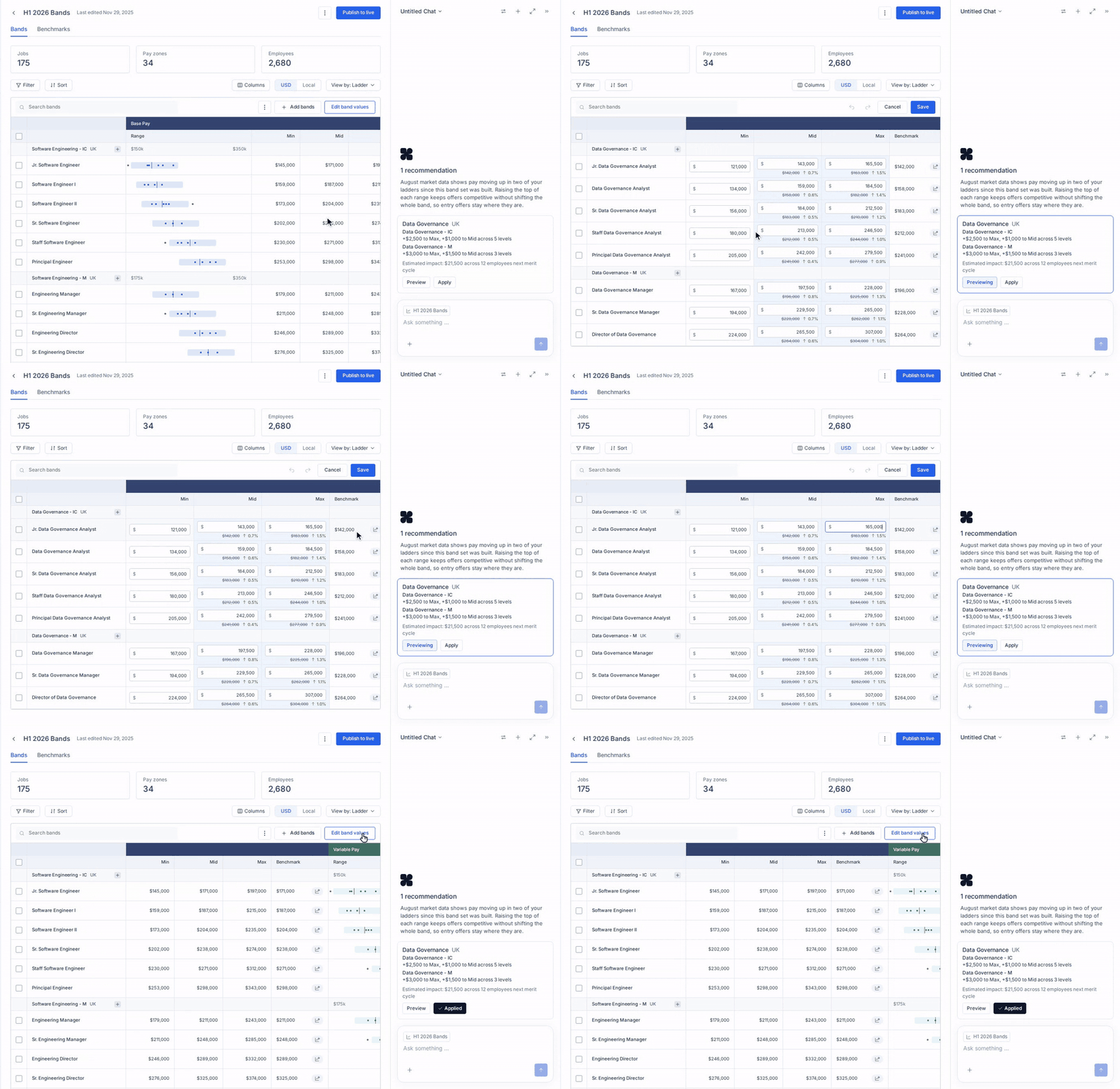
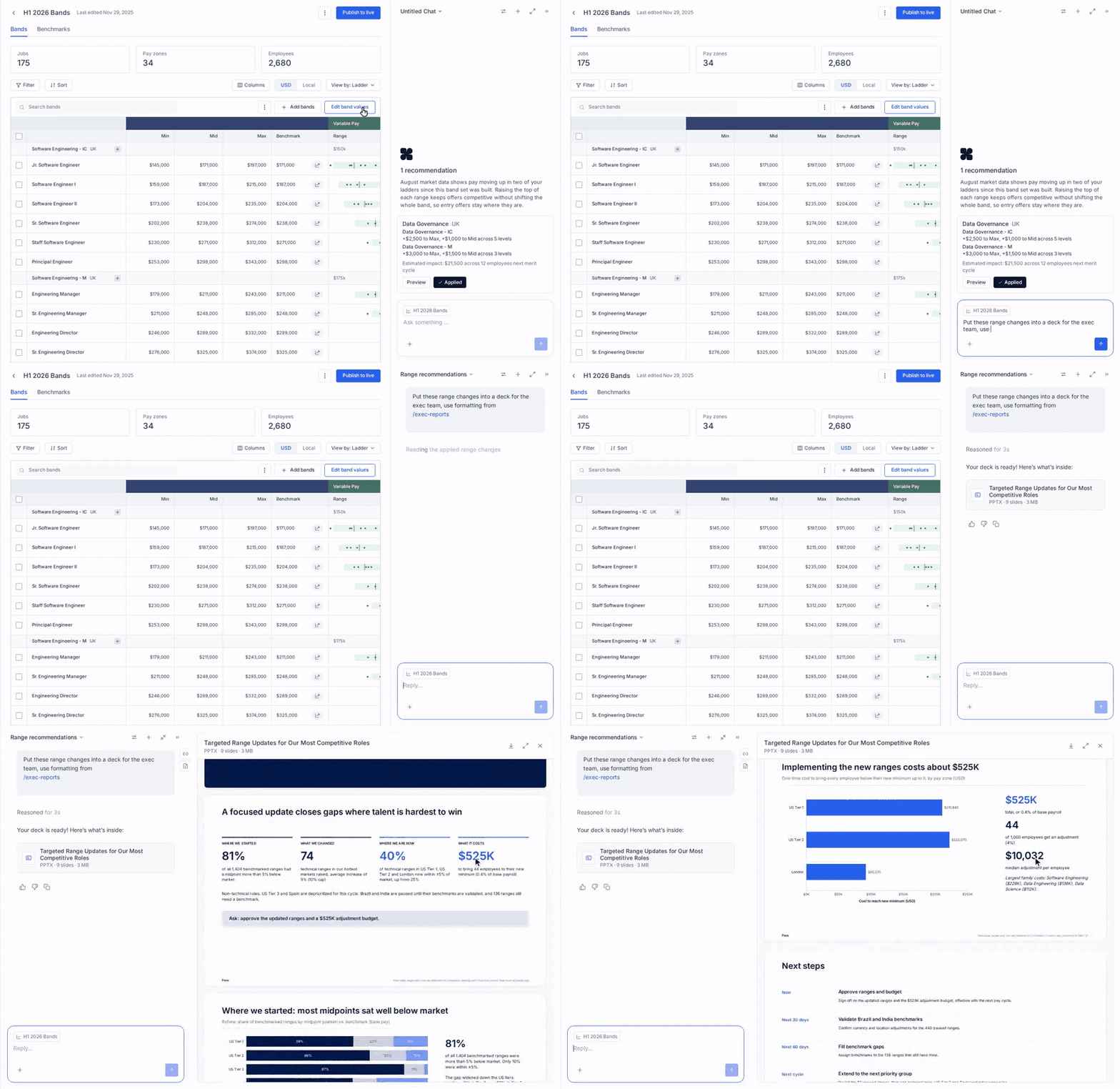
Skills are not limited to policy questions. In Market Pricing, Pave Agent previewed recommended band updates before any changes were made, including a confidence rating on the smoothed benchmark. A user manually edited a band’s maximum and saved it. Then, a single request—"put these range changes into a deck for the exec team, using /exec-reports"—generated a deck in the company’s format, as /exec-reports is a custom skill. The deck outlined the original bands, changes made, associated costs, and the requested approval.
Getting started
- Treat skills as you would policies. Skills are shared company-wide and anyone with Pave Agent access will be able to leverage them.
- Begin with established rules. If recruiters already follow a sign-on guideline, document that first. Our post on how agents add leverage without increasing risk explains why advisory use cases are a good starting point.
- Maintain an exception process. The value of the sign-on skill is in the handoff; escalate any request outside the rule to a person.
How this changes your team’s workflow
As Matt noted in the keynote, your role does not diminish. It shifts from building analysis to defending decisions, and from managing processes to designing programs. Skills are the first step: write the rule once so you can focus your time on cases that require judgment.
If you are a Pave customer, open Context in the Pave Agent chat header, navigate to Skills, and document a rule you frequently repeat. If you are not yet a customer, book a demo.

Charles is a member of Pave's marketing team, bringing nearly 20 years of experience in HR strategy and technology. Prior to Pave, he advised CHROs and other HR leaders at CEB (now Gartner's HR Practice), supported benefits research initiatives at Scoop Technologies, and, most recently, led SoFi's employee benefits business, SoFi at Work. A passionate advocate for talent innovation, Charles is known for championing data-driven HR solutions.