Managers receive a budget and a spreadsheet, then often struggle to deliver final decisions aligned with your messaging principles. That is why training matters and our guide to preparing managers for merit cycle season helps you address this need, regardless of your merit cycle tech stack.
At Total Rewards Live, Matt demonstrated the impact of equipping managers with Pave Agent in their worksheets and enabling the compensation team to view their inquiries.
Answers while the decision is still open
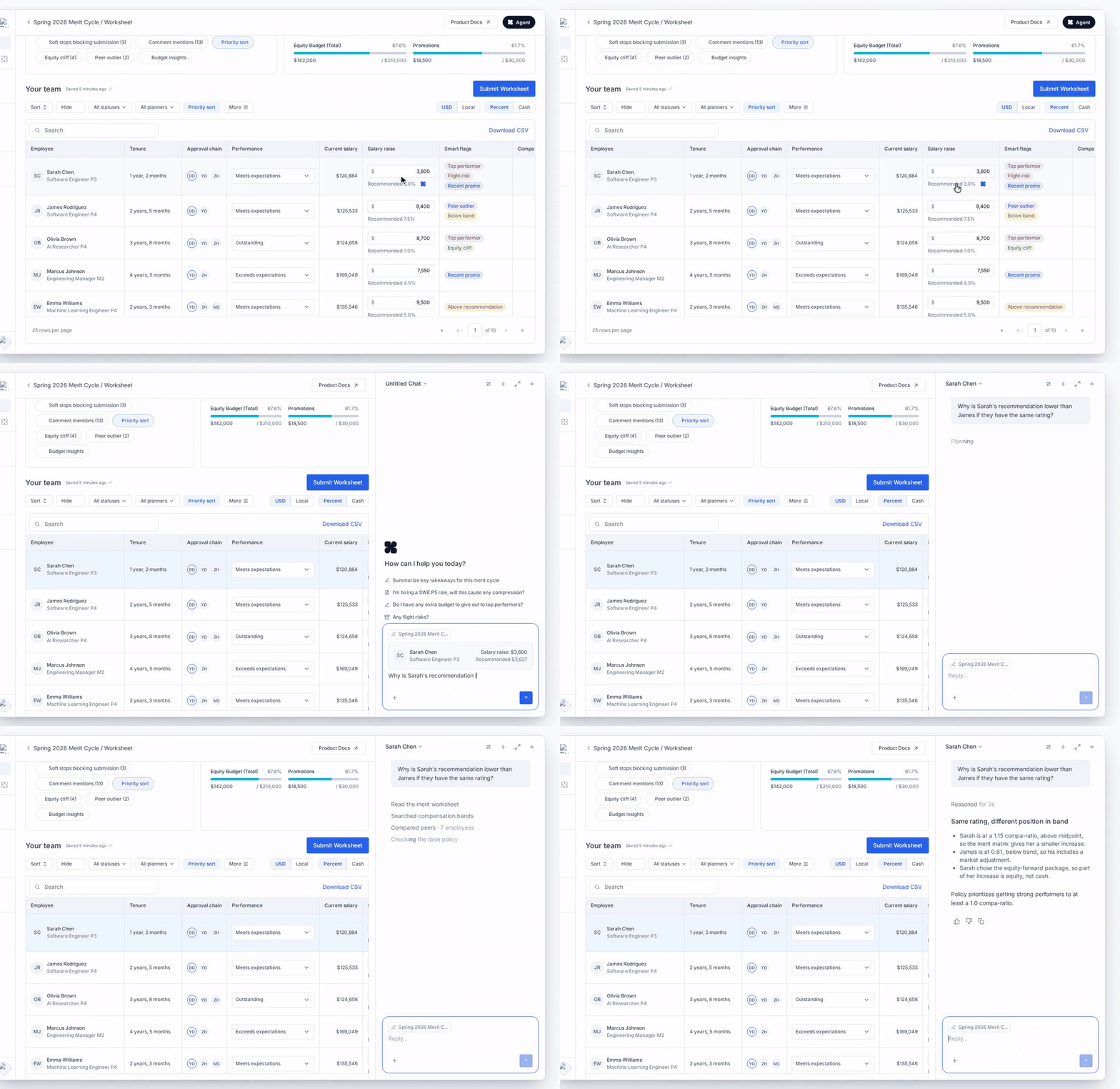
During the demo, a manager asked why one employee’s recommendation was lower than another’s with the same rating. Pave Agent clarified that one employee was positioned higher in their band, and one had selected an equity-forward package, resulting in part of the raise being equity rather than cash. These are the types of questions that typically reach your inbox, now answered directly using the same rules that generated the recommendation.
It also identifies issues that can arise from straightforward rules. When asked to round all base salaries to the nearest $1,000, Pave Agent suggested the adjustment with three exceptions: an employee who would become a peer outlier, an Outstanding raise that would fall below a Meets raise on the same team, and a direct report who would out-earn their manager. The Agent displayed the cost and the impact on the manager’s raise budget. The manager reviewed and applied the recommendation.
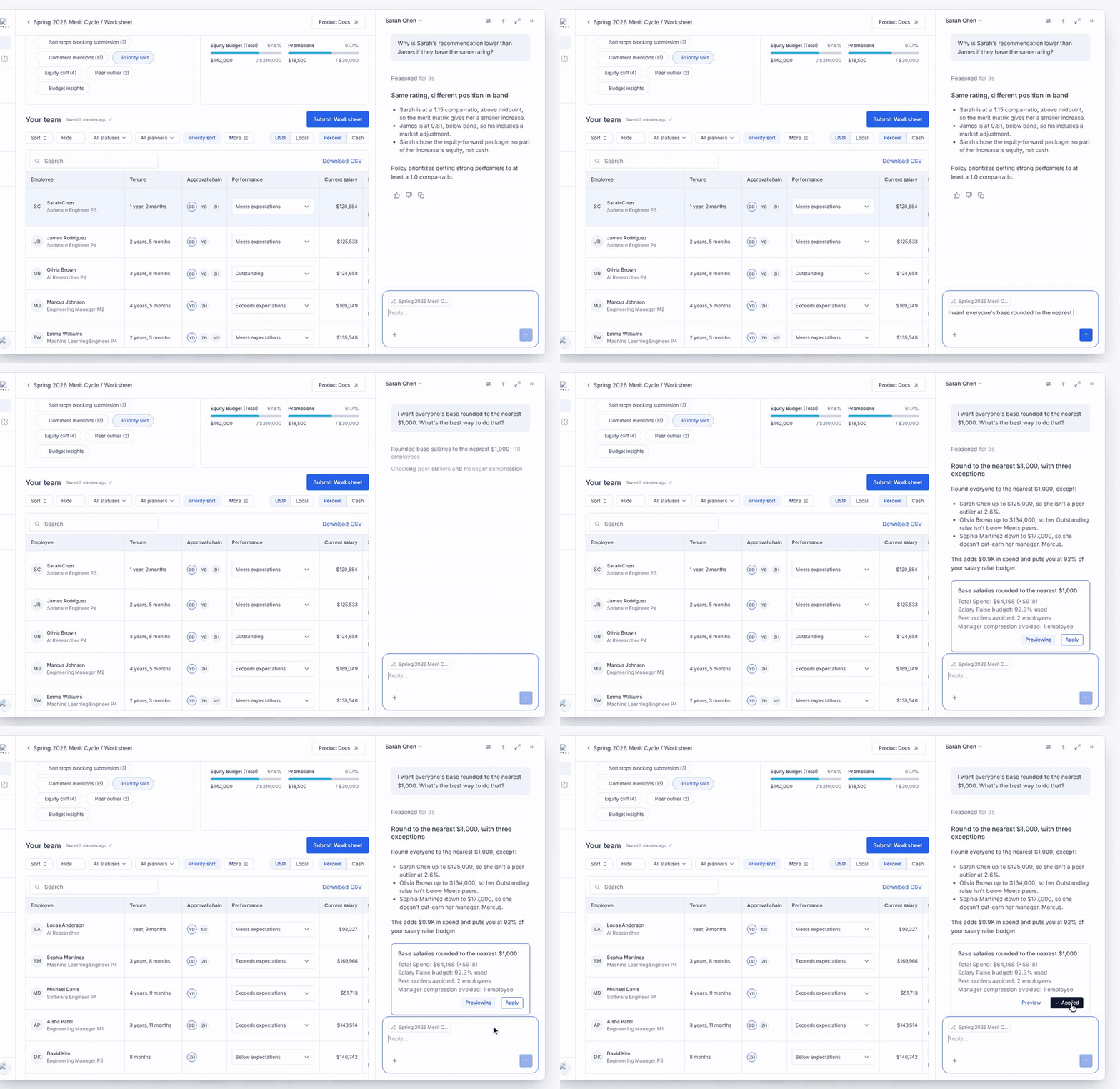
This is the balance we strive for in Compensation Planning: the system provides guidance and highlights risks, while the manager retains decision-making authority.
Visibility for the comp team
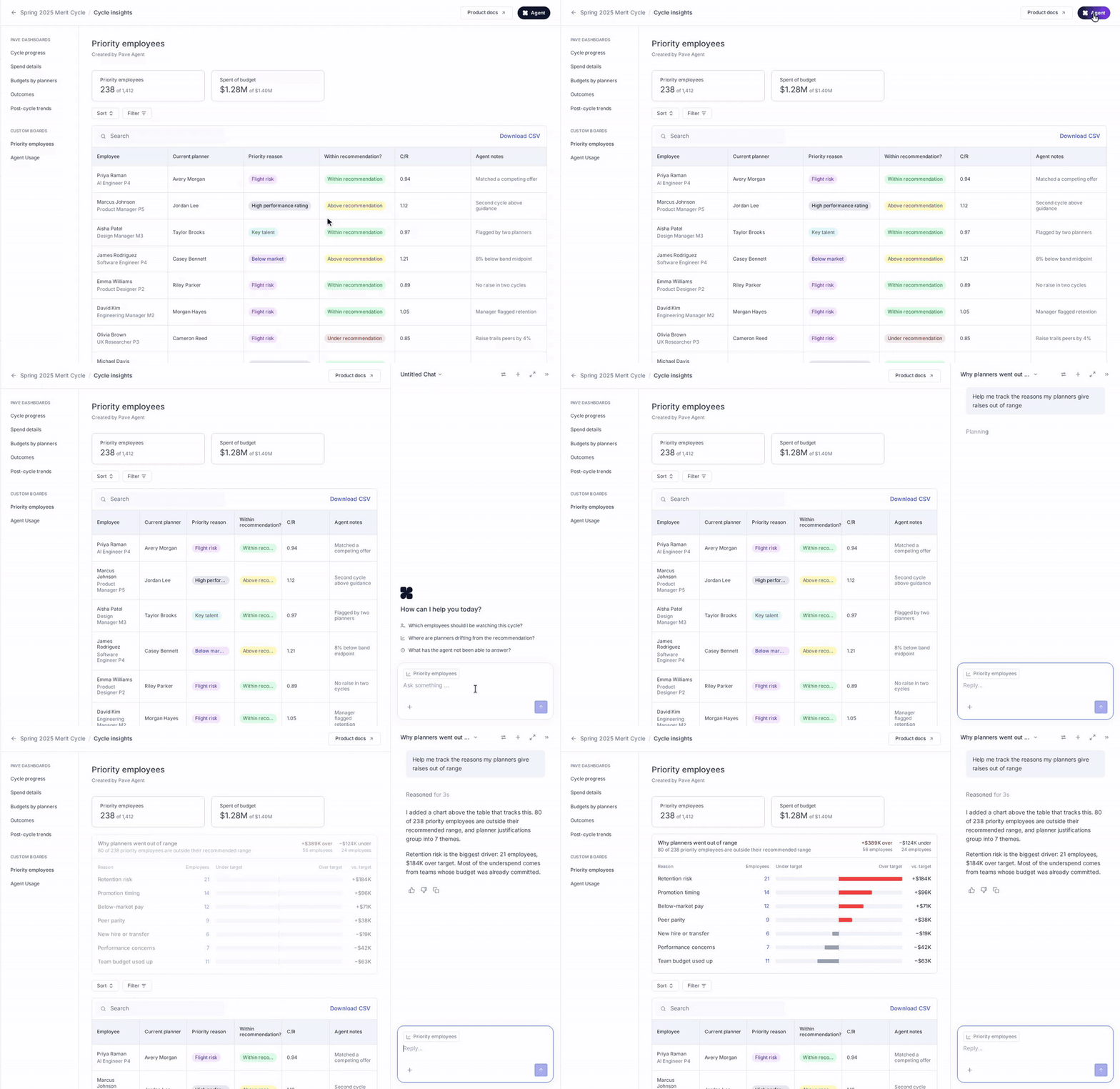
At the same time, Pave Agent provides administrators with new visibility. In the demo, requesting it to track why planners issue raises outside the standard range added a chart of reasons to the priority employees board. Retention risk was the most common factor, and most underspending occurred in teams with fully committed budgets. This lets you spot patterns and act quickly, rather than reviewing comments individually. Cycle Insights already offers administrators a live view of manager progress and budget, and The Merit Cycle State of the Union 2026 highlights how other companies manage their cycles.
A usage view that shows its own gaps
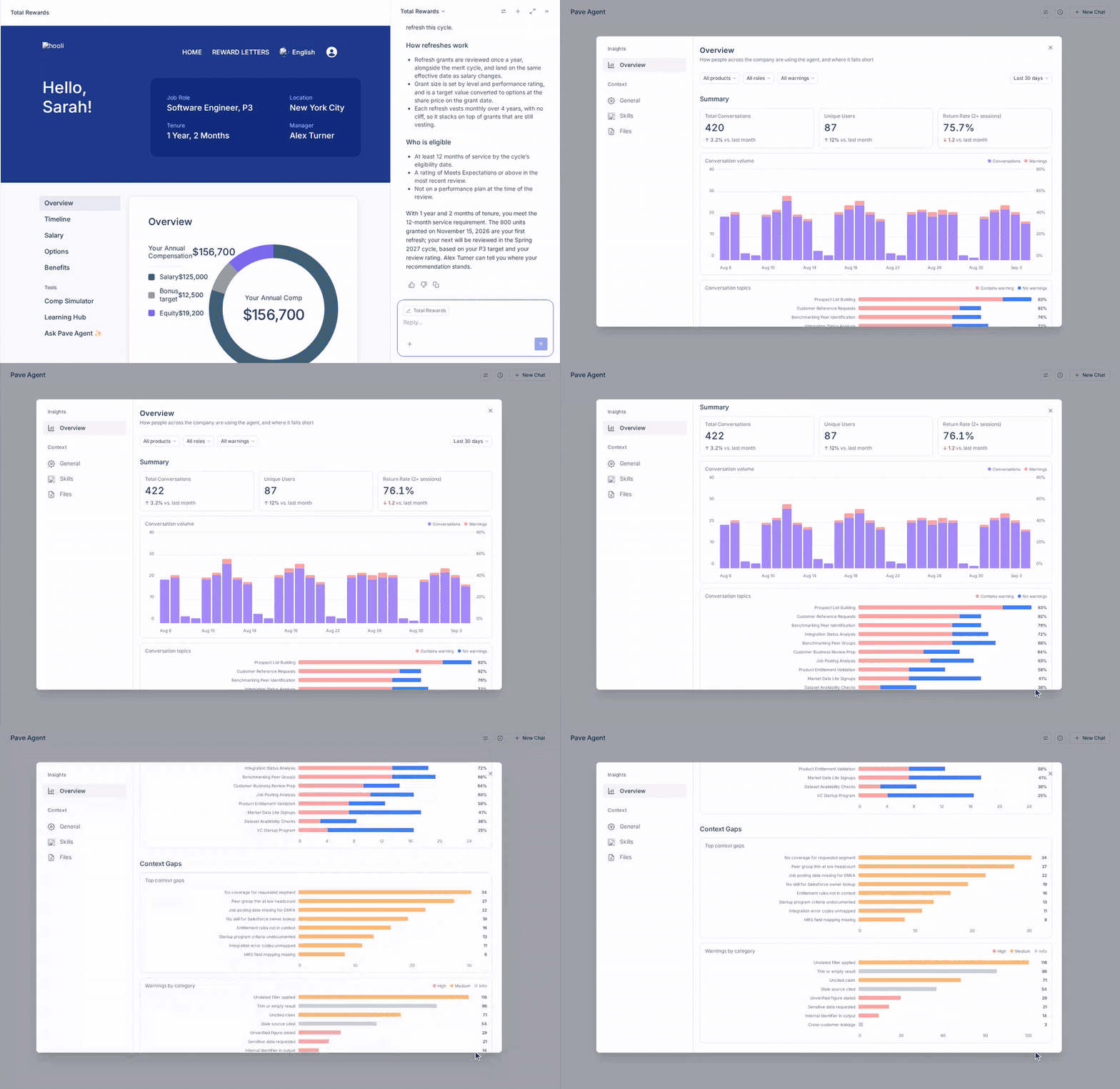
The usage dashboard displays how many users asked questions and the topics they addressed. It also highlights where Pave Agent lacked sufficient information, such as peer groups that are too small at low headcounts, missing job posting data for a specific region, an unassigned skill lookup, and entitlement rules that were not provided.
We believe this is the most transparent screen in the demo and recommend showing it to a skeptical CFO first. Each gap represents an actionable task for your team: write a skill, add a policy, or connect a data source. According to our 2026 AI Maturity in Total Rewards report, organizations were 2.4 times more likely to have established data foundations than to be actively using AI. A list of gaps like this helps you prioritize which foundation to address next.
Plain-language answers for employees, a guide for managers
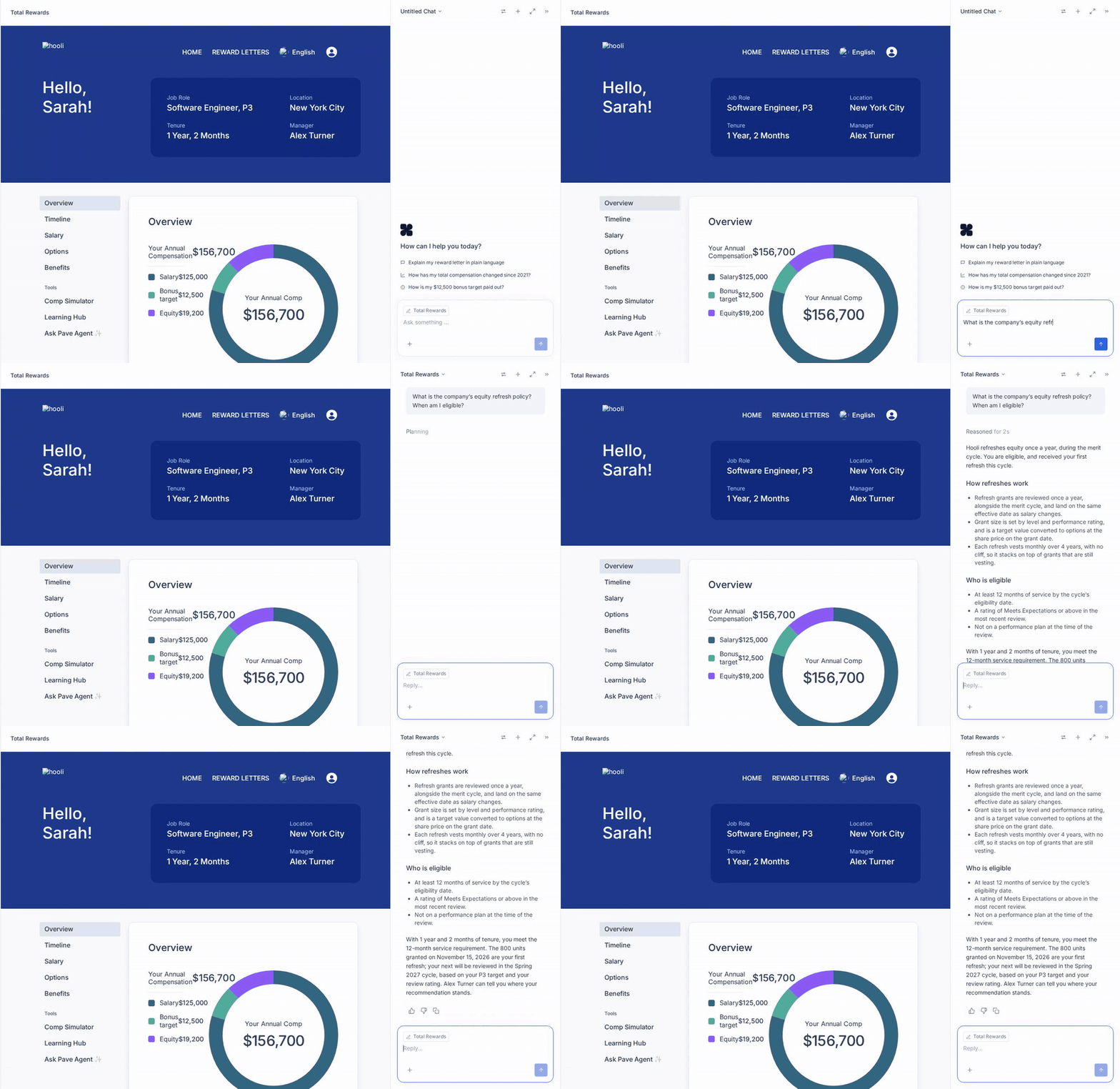
The final segment of the demo focused on Total Rewards. On an employee’s page, Pave Agent explained what a reward letter means and the company’s equity refresh policy. It responded based on the company’s policy: refresh grants are reviewed annually with the merit cycle, vest monthly over four years, and require 12 months of service, a rating of Meets Expectations or higher, and no active performance plan. The Agent outlined both the policy and the employee’s eligibility, without promising a grant or specific value.
For managers, it generated a discussion guide for the rewards conversation, including pay history, the employee’s position within their band, how the raise compares to the cycle, and suggested questions. While a guide does not replace the conversation, it helps managers prepare effectively. The employee resources are available in the Total Rewards Portal.
Where this leaves the trust gap
Matt concluded: each time a manager, employee, or executive gets a clear, actionable answer, it builds credibility for the compensation team. Over time, compensation shifts from being viewed as the company’s largest expense to its most significant investment in people.
If you are a Pave customer, ask Pave Agent the question your managers most frequently send you. If you are not yet a customer, schedule a demo.

Charles is a member of Pave's marketing team, bringing nearly 20 years of experience in HR strategy and technology. Prior to Pave, he advised CHROs and other HR leaders at CEB (now Gartner's HR Practice), supported benefits research initiatives at Scoop Technologies, and, most recently, led SoFi's employee benefits business, SoFi at Work. A passionate advocate for talent innovation, Charles is known for championing data-driven HR solutions.