Why Free Compensation Data Falls Short (And What to Use Instead)

Free compensation data has never been easier to find.
But the sites making it available, like Glassdoor and Levels.fyi, were built for job seekers, not compensation teams. The data is self-reported and unverified, which means relying on it for pay decisions is, at best, an educated guess.
To price roles, build competitive offers, and run merit cycles, you need real-time, accurate, and relevant compensation data. Here’s why free data sources fall short, and what to look for instead.
Free Compensation Data Is Built For Job Seekers
Platforms like Glassdoor and Levels.fyi were built for employees, not employers. The data is self-reported—individuals share what they're paid, with no verification, no stated methodology, and no employer participation. What ends up in the dataset reflects whoever happened to post.
As a result, leading compensation teams are moving away from these sources. According to Lighthouse Research & Advisory's 2025 Annual Compensation Report, the number of employers saying they don't use free and open data sources like Glassdoor for compensation decisions has nearly doubled since 2023.
That's not a criticism of the platforms themselves. They help candidates research a role or a company, but the issue is when that data gets used for something it wasn't designed for, like setting pay ranges, designing offers, or informing a compensation strategy.
{{mid-cta}}
The AI Problem Makes It Worse
General-purpose LLMs haven't solved the unverified data problem. They've amplified it.
When AI tools pull from self-reported sources to generate salary figures, the output inherits the same flaws as the underlying data. The speed and confidence of the output can make it feel authoritative—but a faster answer built on bad data is still a bad answer.
This plays out in compensation teams in two ways. First, compensation professionals using AI to benchmark roles can end up with figures that don't reflect what companies are actually paying. When Lighthouse Research tested ChatGPT for salary benchmarking, the same prompt returned three different figures within five minutes. Second, candidates and employees show up to salary conversations armed with AI-generated numbers they believe to be accurate, putting compensation teams in the difficult position of having to explain why the numbers don't match.
When Data Can't Hold Up to CFO Questioning
If your CFO asked where a benchmark came from, could you explain it clearly and confidently?
For data sourced from consumer platforms or general-purpose AI tools, the honest answer is no, and that matters because compensation decisions flow into offer approvals, merit cycle budgets, and board-level reporting. Without defensible data, you can't justify offers to candidates or hiring managers, identify pay equity gaps, or walk into budget conversations with confidence.
When the data behind those decisions isn't defensible, the compensation team's reputation is at stake.
What Defensible Data Looks Like
Not all market data carries the same weight. The sources that hold up share a few characteristics:
- They’re sourced from systems of record, not self-reported estimates. Data pulled directly from connected HRIS systems reflects what companies are actually paying, not what employees believe they're paid.
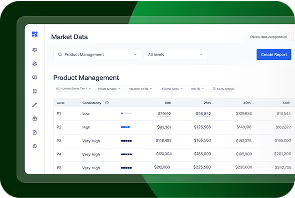
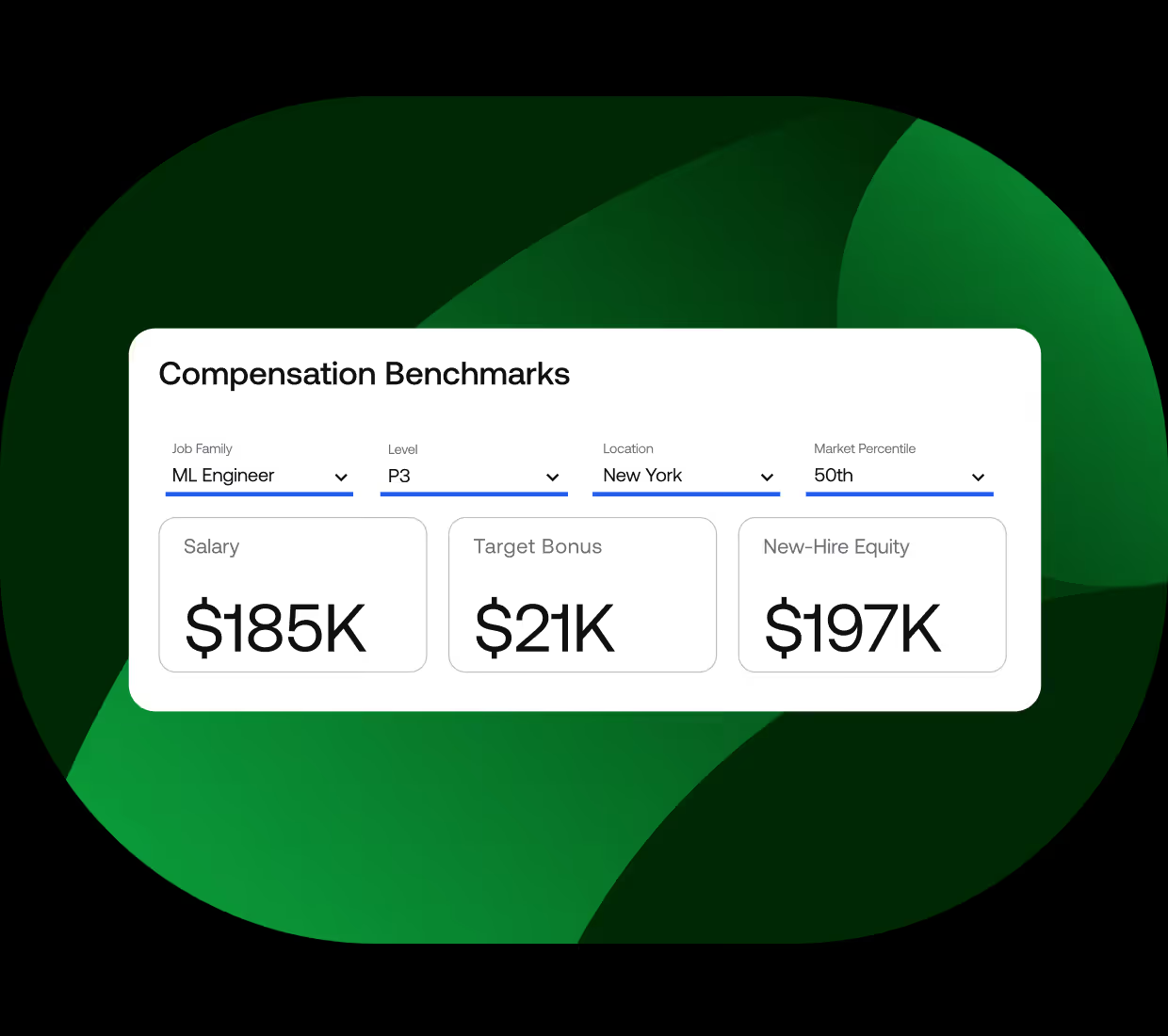
- They reflect the nuances of your business. Modern compensation platforms, like Pave, offer relevant peer sets, so you can filter to the companies you’re actually competing for talent with, not generic averages.
- They cover equity, not just base salary. Total compensation benchmarking requires more than base salary data. Vesting schedules, grant values, and equity participation rates are central to competitive offers.
Choosing the Right Market Data Sources
Free and consumer platforms still have a place—they're useful for understanding what candidates see when researching a role, and for gauging market perception. But verified market data is necessary for strategic compensation decisions.
That's why we put together a guide to help you vet market data vendors and make the case internally for investing in better data.
Download your copy to get:
- A breakdown of survey vendors, free consumer tools, and modern compensation platforms
- A practical vendor evaluation framework with the questions to ask before you commit
- Talking points for making the case to your CFO and hiring managers
More articles











































































See what Pave can do with your comp data.
Real-time market data, an end-to-end comp platform and the Pave Agent, on your own numbers.
Book a demo